
Dining Out Smart: Mastering Blood Sugar at Restaurants
Comprehensive guide to making informed menu choices, understanding meal composition, and maintaining stable blood sugar levels when eating in restaurants across Czech Republic and beyond.
The information on this site is for educational purposes only and does not constitute medical advice. Always consult a qualified healthcare professional before making health decisions.
Why Restaurant Meals Affect Blood Sugar Differently
Understanding Restaurant Meal Composition
Restaurant meals often differ significantly from home-prepared food. Chefs frequently add hidden sugars, refined carbohydrates, and unhealthy fats to enhance flavor and preserve shelf life. Portion sizes in commercial settings are typically larger than nutritional guidelines recommend, making it challenging to estimate the actual glucose impact of your meal.
Processing methods matter too. When ingredients are cooked at high temperatures or processed for consistency, their nutritional profile changes. Fried foods, creamy sauces, and refined grains create rapid blood sugar spikes, while visible fats and proteins can moderate glucose response.
The timing of restaurant eating also plays a role. Evening meals, when metabolic rate is lower, can produce different blood sugar patterns than identical meals eaten at breakfast. Understanding these factors helps you navigate menus with confidence.
Smart Restaurant Ordering: A 4-Step Guide
Review Menu in Advance
Most restaurants post menus online. Review ingredients, preparation methods, and portion sizes before arriving. Look for keywords like "grilled," "steamed," or "baked" rather than "fried" or "breaded." Check for hidden sugars in sauces and dressings.
Ask Detailed Questions
Don't hesitate to ask your server or chef about preparation methods, ingredient sources, and sugar content in sauces. Professional restaurants welcome specific requests. Ask if dishes can be modified, substitutions available, or if dressings and sauces come on the side.
Balance Your Plate
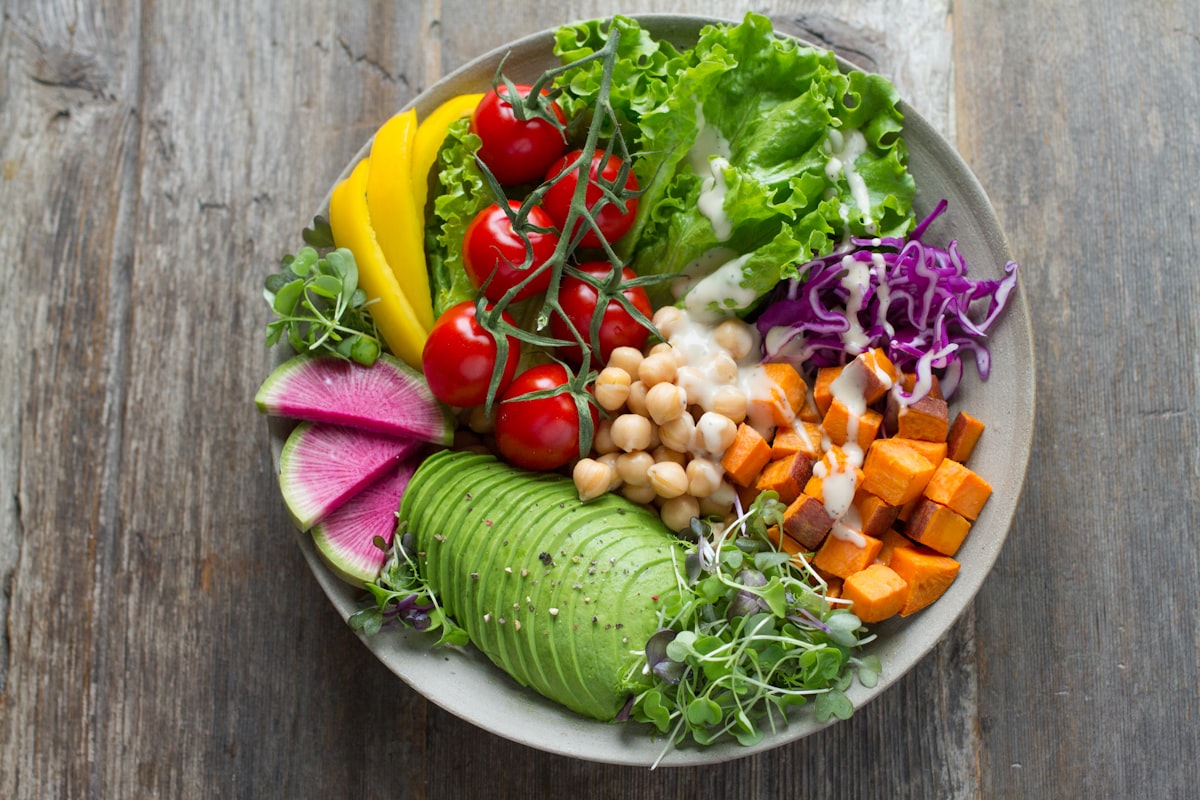
Aim for a plate composition of approximately 25% protein, 25% whole grains or legumes, and 50% non-starchy vegetables. Choose lean meats, fish, or plant-based proteins. Request extra vegetables instead of bread or potatoes when possible.
Monitor Your Response
If you track blood sugar levels, monitor your response to restaurant meals. Keep notes on which dishes, cuisines, and restaurants result in stable readings. Use this data to refine your ordering strategy over time.
Menu Hacks for Blood Sugar Stability
Vegetable-First Ordering
Request double portions of vegetables and half portions of starches. Most restaurants accommodate this without upcharges. Vegetables provide fiber, micronutrients, and volume while keeping glucose impact minimal.
Sauce and Dressing Separation
Always order sauces, dressings, and condiments on the side. Many restaurant sauces contain surprising amounts of added sugar and refined ingredients. This simple change puts you in control of portion size and ingredient exposure.
Cooking Method Selection
Prioritize grilled, baked, steamed, or poached preparations over fried or breaded options. These methods preserve nutritional integrity and avoid added oils and refined coatings that spike blood sugar rapidly.
Protein-Rich Selections
Choose protein-centric dishes: fish, lean poultry, eggs, legumes, or quality plant-based options. Protein slows gastric emptying and moderates the rate at which carbohydrates enter your bloodstream, creating a gentler glucose response.
Beverage Awareness
Skip sugary drinks, regular soda, sweetened teas, and fruit juices. Water, unsweetened coffee, herbal teas, and zero-calorie beverages won't contribute to rapid blood sugar spikes and support overall hydration.
Portion Control Strategy
Restaurant portions often exceed recommended amounts. Consider sharing an entrée, ordering appetizers as mains, or requesting a smaller plate. Eating slower and mindfully helps you recognize fullness cues before overconsumption occurs.
Why Metabolic Health Focus Hub Matters
Evidence-Based Educational Content
- Research-Backed Information: Our editorial team curates content based on nutritional science, peer-reviewed studies, and established dietary guidelines to ensure accuracy and relevance.
- Practical, Real-World Strategies: We focus on actionable advice that works in everyday restaurant settings, not theoretical nutrition that doesn't apply to dining out.
- Localized Content: Our resources address Czech Republic restaurant dining culture, cuisine preferences, and local establishment practices.
- Transparent Editorial Standards: We clearly distinguish between informational guidance and editorial opinion, maintaining journalistic integrity throughout our content.

Stay Updated on Restaurant Dining Insights
Subscribe to receive our latest articles and guides about managing blood sugar while dining out.
What Our Community Says
Real feedback from readers who have applied our restaurant dining strategies to maintain stable blood sugar levels.
"The step-by-step guide to reviewing restaurant menus in advance completely changed how I approach dining out. I used to feel stressed about hidden sugars, but now I ask informed questions and make confident choices. My readings have been much more stable since I started implementing these strategies."
Petra Novotná
Prague
"I've tried many nutrition guides, but none address restaurant dining specifically until I found this site. The menu hacks section is practical—I never knew to order sauces on the side could make such a difference. The local Czech restaurant focus is also incredibly helpful."
Milan Dvořák
Brno
"As someone who eats out frequently for work, these articles have been invaluable. The explanation of why restaurant meals affect blood sugar differently than home cooking really opened my eyes. I appreciate the scientific approach without being overwhelming."
Alena Kučerová
Ostrava
"The 4-step ordering guide is something I now teach friends and family. It's simple enough to remember but detailed enough to actually work. I'm relieved to have reliable, trustworthy information that doesn't sound like medical advice but genuinely helps me make better choices."
Tomáš Svoboda
České Budějovice
Frequently Asked Questions
Most restaurant sauces contain added sugars for flavor and preservation. Request ingredients lists when available, and ask your server directly about sugar content. Key indicators include: sauce thickness (often from corn syrup), sweet or fruity flavors, and glossy appearance. Tomato-based sauces, glazes, and Asian sauces are particularly common culprits. By ordering sauces on the side, you control the amount and can taste-test before committing. If unsure, choose vinegar-based, herb-based, or oil-based alternatives.
Take Control of Your Restaurant Dining
Start applying these strategies today. Explore our complete collection of articles, guides, and resources designed to help you maintain stable blood sugar while enjoying restaurant meals.